Review of A Distant Father by Antonio SKÁRMETA
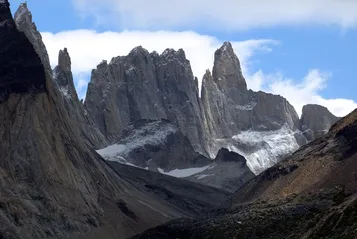
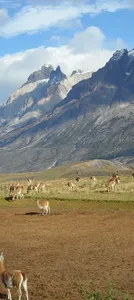
Los Caimanes, Chile
I like to follow a kind of diet in my reading. You can gorge on too many books in the same genre and regret it. I had just finished the dark indeed, Dark Places, and felt in need of a total change, an irrigation if you like. A Distant Father provided just that, and not in clubs. Too often in UK and US the highly rated book is high drama, exploding on the senses as if only extremes of behaviour or events will capture our attention. Skarmeta, this prize-winning Chilean author, quietly writes a story that immerses itself in our imagination. The young man returns to his village where the clock has stopped at ten past three, stepping out of his train carriage, his teaching diploma in his battered suitcase. He is aching to display it to his adored father — who gets into the carriage as the son gets out, and stays away. Why? He is so loved by son and wife, who m
 ourn his absence.
However, his friend the miller explains that he has stayed so long when there is almost nothing to keep a grown man in the small village.
Even so, the young man decides to stay despite the lack of opportunity, despite the poverty. He teaches the children, the miller provides bread, the other males leave for the nearest city. This is where our hero goes to lose his virginity but not his soul. In that city he begins to learn some of the mysteries that surround his father’s absence, the pain experienced by each individual involved.
He continues his journey making a deep difference to those in his life. He has a bereft, hardworking mother, a student who wants to become an adult via the brothel and whose sisters pay him much attention. There develops an ethical tension around conflicting desires.
At the end, he enables his student to take his geography prize of a globe (the ‘world’) into (and for) his future. This great metaphor is not all, for the beauty of the story is the way the young man brings good to everyone by an unexpected, but perfect solution to the set of problems – even if the clock remains at ten past three.
It is not high drama but everyday and small ones that turn out to have profound impact on the reader’s understanding.
I loved this book, its clear picture of rural Chile, and for the simplicity and beauty of its writing. I loved the presentation by Other Press,a small hardback with transparent cover, a joy to read and which added to my enjoyment. It is rare to read a book twice and for it to remain looking new. The result is for the purchaser to keep it and value it, and not to pass it casually on, as we would with a paperback.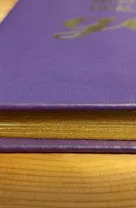
John Cullen’s translation is effortless and we would only know it is a translation because we have no novels of this nature in our culture. And that’s a great shame.

 d find no such detail, perhaps it will be a disappointing read. Crises and tensions in the plot do make us want to read on, but I believe it’s these little details that give a feeling of satisfaction during and after the read. This doesn’t seem to happen with a book that is wholly plot driven. It’s like the difference between eating a large pizza or a meat and two veg meal. We may feel full initially but we need a decent dollop of protein. The sense of satisfaction lasts so much longer.
 The characterful writer:
 Originally posted on Jalada:
 Originally posted on walkerputsche Book Blog:





 Originally posted on ShortStops: