Strengthening your writing via stimuli.

roseSmell_opt

Writing stimuli. What gave you that sudden idea that made you urgently scribble it down? It’s worth exploring.

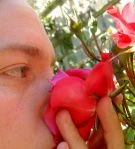
The power of olfactory stimuli in activating memory is well known. But it’s much harder to ‘dream up’ a smell that might affect the character in your story, than it is a sound or sight.

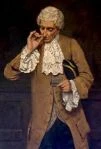
When we’re stuck for ideas for a visual stimulus,  Art can provide perspectives, narratives, symbols to enrich our writing.  For auditory stimuli, theatre and radio present us with ideas and emotions through sound patterns, speech or music.  snuff_optThere is no equivalent for smells.
So having found the right sound or sight stimuli to cause your hero to pale with emotion how to find the right smell/scent/perfume/stink to cause emotional impact? Leave aside the obvious triggers: magnolia, blood, excrement, cabbage (who wants to write hackneyed stuff?). Will the character stop short as spinach fumes enter his/her nostrils, or candy floss?  What particular scent might have been recorded in his/her long term memory?
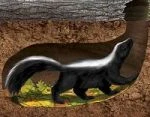
skunk_opt

You can prepare for that blank moment. How about noting down your own strong reactions to any smell, pleasant or unpleasant? List the source for each. This will make you rack your brains, and may well summon up incidents that you can use in your story. Add any smells that you already know act as powerful reminders for you – and write down why.

A scent for one person may be a stink for another. One perfume might raise very different memories for two different characters. Identifying that memory can enrich your story line. For instance, the whiff of musty clothes in a charity shop reminds Kara of a great aunt, but Debra of pass-me-downs when she was young.  The scent of aloe vera takes Anna back to the birth of her baby, but reminds Dan of a little lane in Almeria where he was set on by teenage thugs. They find themselves quarrelling . . .
TapirAtSDZ

With such a list of smells, you can google them to add any interesting facts to their source and the memories they evoke for you.  Strengthen your writing with that detail that enthralls readers and brings them right into your story.
Continue Reading

Title Optional

Struggling to find the right title?

A writer recently remarked that she had difficulty in thinking of titles. I thought I’d concoct a list for beginner writers allowing use for different genres. Let me know if you like this kind of post. It can be taken seriously or not. Who knows, one of these may spark the next novel for someone. These titles are intended for you to make your own associations (and stories). I had fun.


One day too long

Caught in Time

Idyll in Back Alley

Plenary Session

Forbidden Journey

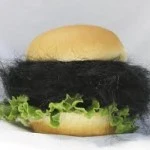
Is There Hair on my Burger?  (or their hair – works as well)

fur burger

An Intricate Endeavour

It Takes Time to Jam

Black is the New Grey

They never called me Edna

Not Everyone Marries in a Cathedral

Blogging To Bliss

Entropy


IF YOU LIKE THIS, I CAN DO MORE. (But I should be finishing my next chapter).

Continue Reading

Winning Writing

Persianmss14thCambassadorfromIndiabroughtchesstoPersianCourt

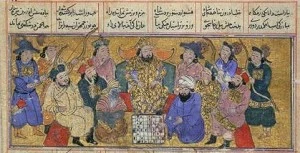
This lovely image is Iranian.

I like playing Scrabble, but I’m not competitive. The challenge presented by the board in hand and the variety of options, limitations placed upon moves is sufficient. Sometimes the layout feels like an art form. It’s fun to enliven the game further by restraints such as allowing only nouns related to e.g. writing, for words of 4 letters or more. Going to an event based on competition would spoil the enjoyment completely.

It seems that the lack of competitiveness has a worthy origin.Chess_Players_of_Haft_Awrang

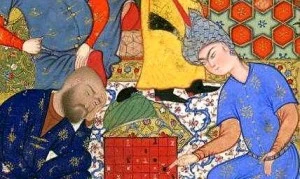
Chess is thought to originate in India, before the 6th century AD and then spread to Persia, pictured here.

Chess reached Southern Europe via Arabs and Muslims, and by the 15th century it had evolved into its current form.

The “Romantic Era of Chess” was characterized by swashbuckling attacks, clever combinations, brash piece sacrifices and dynamic games. Winning was secondary to winning with style and the focus was upon artistic expression. I’d loved to have been an audience then before the style changed, in the 19th century, to one of technical mastery and long-term planning.

In presenting our fiction to the world we writers are exhorted to use multiple techniques to gain sales.  Innocent days of creating the best that our talent and art form allow, end. Months of miserable media-bashing follow. What contrasting activities, what different emotions!

Reading about the origin of chess brings similarly opposite emotions to reading self-help books that teach tricks of beating algorithms or garnering a following. It’s these books themselves that sell in huge numbers, their authors then ‘teaching’ a system to all other writers on the basis of this ‘sure’ success.

How sad.  William Boyd, Anne Tyler, Kasuo Ishiguro novels, say, may have comparable Amazon sales rankings with a very badly produced book on Twitter techniques. Even the most reputable newspapers may show best-selling books for their Top Twenty rather than a list of most highly regarded fiction.

Swashbuckling attacks on the media, clever combinations of layered promotion, technical mastewinningry of marketing ploys and long-term planning of a marketing campaign is what sells books and makes a winning writer. Thank goodness that reputable writing competitions rely on writing judges, not the amount of ‘votes’ an entrant can grab via social media. Nowadays, all of us writers are pushed into this.

I wonder whether a ‘romantic era’ for art forms will ever return.

Continue Reading